
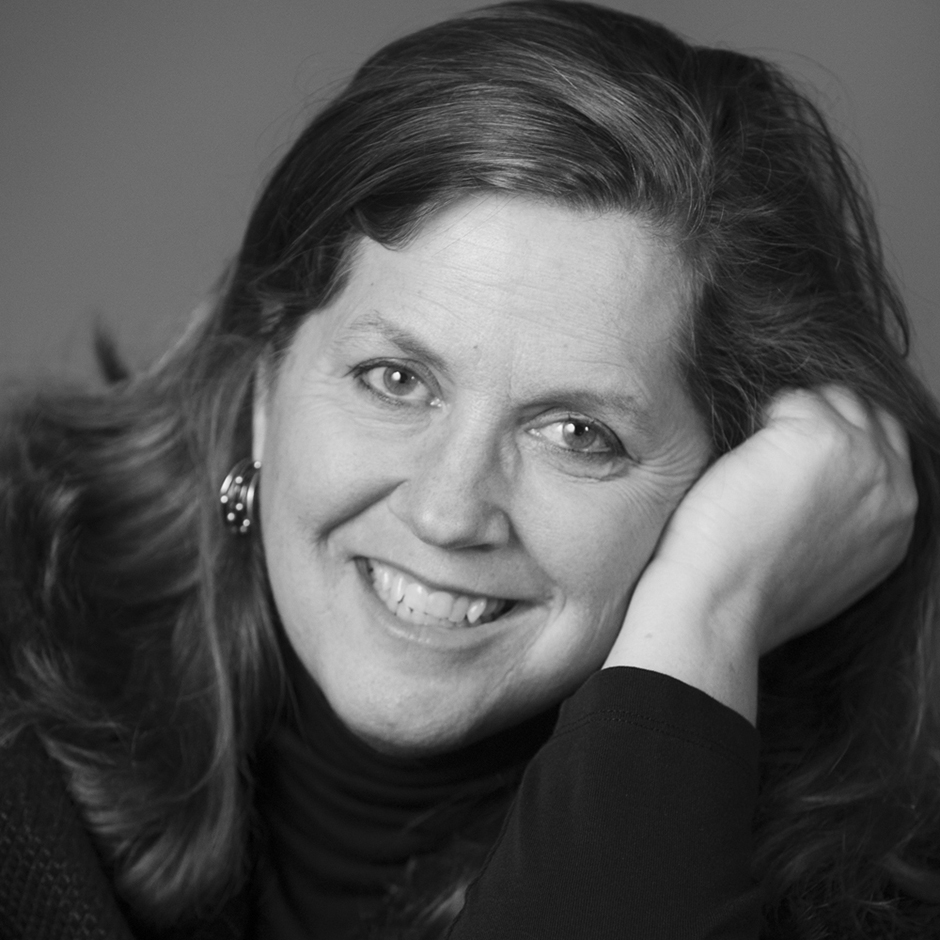
Janet Jarman
Interview by
Svetlana Bachevanova
Janet Jarman is a photojournalist and documentary filmmaker working predominantly in Mexico and Central America, where she produces stories about security issues, public health, with a special focus on maternal health challenges, water resource problems and solutions, and other environmental issues.
Jarman has worked on assignments for National Geographic, The New York Times, GEO, Smithsonian Magazine, Der Spiegel, The Wall Street Journal, amongst others. She has also worked for several international foundations. Her photographs have received numerous international awards and have been featured at Visa Pour l’Image, Perpignan. She has also served as a judge in prestigious photojournalism competitions such as Pictures of the Year International, the FNPI Premio Gabo, POY Latam and CPOY (College Photographer of the Year).
What first drew you to the subject of childbirth and maternal care?
My interest in this particular theme began in 2013, when I met some extraordinary women in the Highlands of Chiapas, Mexico. They were traditional indigenous midwives who were well-respected leaders in their communities. I saw how they treated women, not as patients but as human beings who deserved respect and dignity during a very important time in their life. Yet, they were being marginalized by the medical system - Why? I wondered.
I also met several students from midwifery schools and doctors. As I learned more about all their conflicts and challenges, it became clear to me that this was a multi-layered story about an unequal power struggle that often resulted in mistreatment of women during childbirth.
I became determined to illustrate this story in a nuanced way. The topic of birth is universal and very emotional for many people. Respectful childbirth is an important underreported human rights story that involves issues of bodily autonomy, gender equality, culture, indigenous rights, politics, resistance, science, the environment, and more.
How did you build relationships with the women and midwives you photographed?
To gain and keep access in the areas where I worked required delicate relationship building and trust. I first met many midwifery leaders and maternal health advocates while conducting my research. Relationships developed during this time and gradually, midwives and NGO representatives introduced me to leaders in the communities where they worked. From there, doors opened and trust deepened, as people began to know me and learn how I work. I kept returning, so our relationships strengthened. I gave photos back to people. I worked judiciously while people became confident with my presence, trusting that I would use images in a respectful way and knowing that I would represent them fairly.
First as a small film team and later as a photographer on my own, we shared many experiences with families who kindly invited us into their homes. They knew I would return and that my style was not to extract, but to create together with them a story about their way of life that was being threatened. I continue to go back to this day, and I can’t wait to share this book with all of them. Their initial responses have been beautiful.
Your work includes both documentary images and placenta prints. Can you talk about that choice?
I wanted to give readers a total immersion experience into the world of midwives, so we included a mix of documentary photos, portraits, placenta prints and menstrual art.
To recognize the placenta as a crucial element in the birth narrative, we included throughout the book photos of placenta prints that midwives made by pressing paper on each side of the placenta to record its unique structure. Midwives sometimes painted the placentas to add vibrant colors requested by mothers. I fell in love with these prints as a unique expression of honoring mothers, midwives and the placenta itself, and I was ecstatic that the editor and publisher wanted to include them in the book in a creative way.
The prints make quite an impression on viewers. Many say it is the first time they have ever considered the great value of the placenta, since is often considered medical waste in hospital systems. However, this attitude is changing. I wanted to give this life-giving organ its rightful place in my coverage. As one of the midwives says in the book, “the placenta dies to give you life”.
"To change the world, we must first change the way babies are being born."
Dr. Michel Odent (1930-2025)
Your work shows both the care and harm within medical systems. Do you worry that it could be interpreted as anti-medicine, or as romanticizing traditional practices?
I wanted to show who midwives really are and the impact that they are making, but I also wanted to include the voices of doctors, mothers, and their families. As a journalist, I always try to build multiple layers into the stories I tell, and I didn’t have an agenda of making one reality seem harsh and the other romantic. I am showing what I saw and lived.
I have shown the film and book to many medical practitioners, and their first response has been that they feel it represents their world fairly. One state health secretary thanked me for showing the reality in his state’s hospitals. As for traditional practices, they do unfold in vastly contrasting environments from hospitals, but I think I also fairly present the midwives’ realities in terms of challenges they face and many other dynamics. Since there is a global focus today on how institutional systems could change to ensure more dignity and respect during childbirth, my main goal as a photojournalist and filmmaker was to “show” and not tell what alternative practices look like in different settings. Viewers can then make their own conclusions.
What does “dignified childbirth” mean to you?
For me, “dignified childbirth” implies a birth process free of any form of physical, psychological or emotional abuse, and where a birthing mother feels fully informed, in control, and safe. This requires a gentle approach in an environment free of discrimination, racism, and judgment and centers around compassionate care that respects women’s individual needs and cultural backgrounds.
Probably the most impactful part of this project, for me, has been the process of going back and forth between gentle birth scenarios that take place inside women’s homes and birth centers and the contrasting factory-like birth scenes in hospitals, often driven by efficiency or profit. I now realize that each dignified birth I saw symbolized my own parallel longing for a more empathic world and illustrated a new paradigm of how we could live in a gentler and less extractive way. To observe such poignant expressions of love gave me hope that this transition might one day happen, one birth at a time.
What does this project reveal about power over women’s bodies?
I think we are clearly seeing that the battle over women's bodies has reached a new intensity. Not only are women being denied the right to choose IF they give birth but their decision power over HOW they wish to give birth has also been eroded. To give an example, in Mexico, the vast majority of births take place in over-crowded hospitals, where the rate of cesareans is around 50%, and where more than 40% of new mothers complain of being mistreated. For many of them, giving birth turns into a frustrating and traumatic event. Tales abound of discrimination and obstetric violence that takes place in maternal health settings where women have often been silenced and misinformed and where “doctor knows best” attitudes have contributed to creating a birth culture rooted in fear.
As a solution, women’s rights activists see midwives as a valid alternative for birthing women, not just in rural communities but also in cities. Evidence exists that midwifery is associated with more efficient use of resources and improved health outcomes, yet many midwives still feel rejected and even persecuted by the system. Their fight for recognition and respect has the potential to inspire a radical paradigm shift in birth practices, in patient-doctor relationships, in how hospital birth wards are structured, and in how community health systems are valued.
If there is one thing you want people to take away from Birth Wars, what is it?
Birth Wars is part of a global call for more woman-centered childbirth practices that stop women from feeling disrespected and robbed of their dignity by poor treatment and highly medicalized birth procedures during a time that should be precious and joyful. With this book, I endeavor to contribute to challenging the narrative about maternal health, from a doctor-driven system to one that returns the decision-making power to women. Midwives are at the center of this movement, acting as important catalysts of change here in Mexico, and across the world. I hope my work can be useful in showing that there is another way, a gentler way, that allows women to rule over their own bodies and bring sanctity back to birth. Ultimately, it is a woman’s choice to decide if, where, how and with whom she gives birth, and every woman will have her own answer.
